
Pride Month is a great time to look back in history and highlight LGBTQ+ figures who paved the way for today’s society to thrive. Despite the discriminatory history, many LGBTQ+ individuals made meaningful contributions to the community, especially the healthcare field. While Pride Month may be coming to an end, it is always good to look back on our history. Here are 5 LGBTQ+ medical figures that have impacted today’s healthcare community.
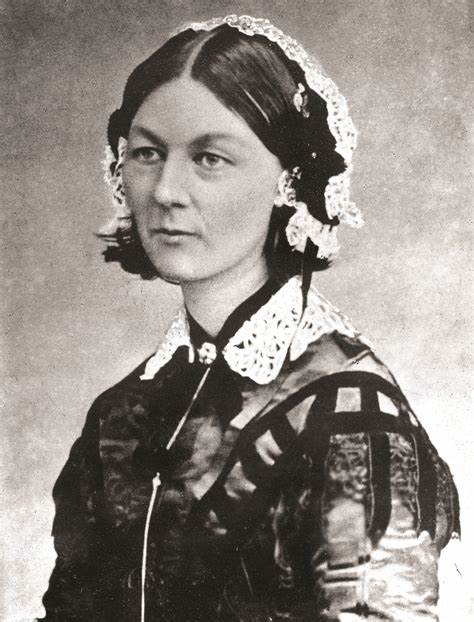
Florence Nightingale, a British nurse and social reformer, had a profound impact on healthcare during her lifetime and her influence continues to be felt today. Not only is she regarded as the founder of modern nursing, but Florence Nightingale established a training school for nurses, improved sanitation practices, and emphasized the need for compassion, empathy, and patient-centered care. By going through her writings, historians can see indications that she may have been a lesbian or asexual due to her romantic relations with women and her disconnection from sexual attraction.
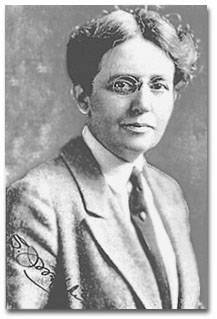
Dr. Alan L. Hart made several contributions to healthcare, especially in radiology. He is best known for his pioneering work in radiography tuberculosis detection. During his time, tuberculosis was a major public health concern, and his innovative approach proved to be effective in identifying and diagnosing tuberculosis cases. Additionally, his research on techniques for imaging the heart and blood vessels also laid the foundation for later advancements in cardiovascular imaging. Dr. Hart was the first documented transgender male transition in the United States.

Dr. Sara Josephine Baker was a pioneering American physician and public health advocate who focused on improving the health and well-being of children and combating infectious diseases. She initiated the first comprehensive infant welfare programs, advocated for public health reforms, and worked towards improving sanitation and hygiene standards in New York City. Dr. Baker’s influence extended beyond the United States as she traveled to various countries to advise on public health practices. While not publicly disclosed, Dr. Baker’s same-sex orientation was widely known, and she had a life-long relationship with Ida Alexia Ross Wylie, a novelist.
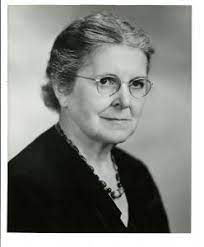
Ethel Collins Dunham was an influential figure in the field of healthcare who made significant contributions to the development of nursing education and patient care practices. Dunham’s impact on healthcare is characterized by her contributions to nursing education, research, evidence-based practice, patient care, standardization of nursing practices, and nursing leadership. Dunham became the first woman pediatrician to receive the John Howland Award, the American Pediatric Society’s highest honor. Ethel Collins Dunham and her life partner, Martha May Eliot focused on improving the care for children.
John E. Fryer, also known as Dr. H. Anonymous, had a significant impact on healthcare, particularly in the field of mental health and LGBTQ+ healthcare. Dr. Fryer was an American psychiatrist and gay rights activist whose courageous actions and advocacy helped advance understanding and acceptance of homosexuality within the medical community. During the 1972 American Psychiatric Association annual meeting, Dr. Fryer showed up disguised as Dr. H. Anonymous and delivered a powerful speech titled “Psychiatry and the Homosexual: The Politics of Diagnosis”. His actions helped pave the way for the acceptance of homosexuality, and in 1973, the APA removed homosexuality from the list of mental disorders in the second edition of the DSM.

There are many LGBTQ+ figures in medical history that have made tremendous impact on the healthcare industry. They have faced prejudice and discrimination, but they persevere in order to improve the community. Their stories serve as a reminder that diversity and inclusivity are vital for progress in healthcare and that the contributions of LGBTQ+ individuals continue to shape the field today. By honoring their legacy, we honor the resilience and determination of those who fought for equality, inspiring us to create a more inclusive and compassionate healthcare system for all. Let us celebrate the achievements of these LGBTQ+ medical figures and acknowledge the ongoing work needed to ensure equal access and care for everyone.
 Staffing Stat!